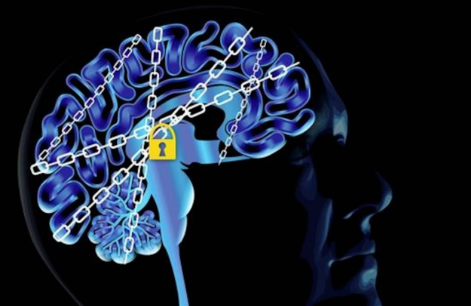
Understanding the inner workings of the brain and how it responds to substances is essential in grasping why some drugs are so addictive. Among the most powerful and commonly misused substances are stimulants, which range from prescription medications like Adderall to illicit drugs like cocaine and methamphetamine. While many people assume stimulant misuse is purely about choice or willpower, science paints a far more complex picture. When we dive into the brain chemistry behind stimulants addiction, the real story emerges—one of altered neurotransmitters, rewired reward pathways, and long-term consequences that shape behavior.
Stimulants and the Brain
Stimulants consist of substances that augment the activities of the central nervous system. Stimulants provide high and euphoric feelings of energy and focus. In order to understand what drives the addictive qualities of stimulants, consider their interaction with the central nervous system.
Once a stimulant enters the system, the first effect registered is a massive release of the neurotransmitter dopamine. Under normal conditions, the neurotransmitter dopamine gets released in smaller quantities when a person is eating, exercising, or engaging in pleasurable activities. Stimulants release dopamine in larger quantities and prevent the reuptake of dopamine. This goes to a constant state of reward and stimuli, and the brain gets trained to base its stimulants to achieve pleasure and focus.
The Cycle of Reinforcement, Craving, and the Stimulant Response
Once the dopamine reward system is activated, it no longer releases dopamine in ‘normal quantities’. The ‘normal quantities’ of dopamine are used for ‘normal’ everyday tasks or general activities, and in the absent of stimulant substances, the person is likely to ‘feel depressed’. With the stimulants, the person then begins a ‘cycle of reinforcement’ and ‘craving’, which is the stimulant’s response.
This is the cycle for stimulant addiction. It starts with recreational use or use for performance purposes, but then turns into a biological addiction. The stimulants create a need for the brain to have the drug for the brain to have an artificial high. All the natural rewards, hobbies, relationships, and achievements become unvaluable to the person, and eventually, nothing but the drug very high will satisfy the user.
The Role of Norepinephrine and Serotonin
Dopamine is the most spoken of chemical when talking about addiction, but stimulants abuse also greatly affects norepinephrine and serotonin. Norepinephrine makes people alert and increases energy, and serotonin makes people more pleasant and happy. These stimulants affect a person so they have bursts of confidence, motivation to do more, and become more social and connected to others.
However, a brain is not able to allow a person to have prolonged high levels of confidence and social ability. Once stimulant abuse is prolonged, the person will have very strong mood swings and a high level of anxiety and paranoia. People with stimulant addiction describe feeling “wired” and having a lot of energy, but feeling unstable and emotionally disconnected.
How the brain changes when people use drugs
The brain is very adaptable, and that is a double-edged sword when it comes to addiction. When a drug is used repeatedly, the brain undergoes neuroplasticity, and it will rewire itself to prioritize drug-seeking over everything.
When a person responds to stimulant cues, like a drug sight or mention, the nucleus accumbens and the parts of the reward system become hyperactive, and the parts of the brain’s prefrontal cortex, responsible for decision-making and impulse control, weaken. The imbalance causes the addictive pattern of strong cravings and weak self-control.
Chronic Use and Brain Chemistry
Research suggests that stimulant misuse causes long-lasting damage, such as:
- Having fewer dopamine receptors means the person will find it hard to experience pleasure outside of the drug.
- Cognitive decline, which will lead to memory loss and difficulty concentrating.
- The person will be at a greater risk of developing depression and anxiety.
- The person will have structural changes in the parts of the brain that involve decision-making and emotional regulation.
Knowing and understanding this will help explain the long and difficult process that comes with recovering from stimulant addiction. The brain has to repair itself and learn to function without the stimulants.
Why Some People Are More Vulnerable
Not everyone who tries stimulants gets addicted. Risk develops due to underlying genetics, mental health issues, and environmental exposure. Someone with attention-deficit/hyperactivity disorder (ADHD), for instance, may already have an imbalance with their dopamine pathways and become more sensitive to the reinforcing effects of stimulants.
Moreover, stimulants or other drugs may be abused more frequently as a coping mechanism when trauma histories, high distress environments, and inadequate social support are present. Recognizing these problems is important for effective prevention and treatment.
The Psychological Grip of Stimulants
In addition to the brain’s biochemistry, the psychological component must also be addressed. Stimulants can create a temporary sense of productivity, social ease, and distraction from negative feelings. They can feel especially useful to stressed students and workers who are seeking a more effective way to cope due to feeling overwhelmed.
This reliance on the drug to function not only weakens mental resolve but also strengthens the bonds of addiction. Without the drug, a person is more likely to become dysfunctional, or at least feel that way, creating and reinforcing a cyclical, self-perpetuating mechanism.
Healing and Recovery
Overcoming stimulant addiction isn’t just a matter of willpower and determination. Since the brain is changed and altered for a prolonged period of time, recovery is usually integrated with medical treatment and therapy. While detoxing may help a patient feel better in the short term, the biological and psychological implications of addiction will always need the most attention for long-term recovery.
Cognitive behavioral therapy and other similar counseling techniques are very useful because they teach a person how to identify a trigger and refocus their thoughts and actions into healthier alternatives. Some patients may require supportive medications that will help them with their moods and control their cravings, and that is acceptable.
Rebuilding a stimulant-free life that is fulfilling is just as important. Activities that will help re-establish lost relationships and personal interests, as well as exercise, help restore biological levels of dopamine and promote a feeling of well-being.
Education and Prevention
Education is one of the most effective tools to fight stimulant addiction. Knowing how these substances change the brain may help people make educated choices about use and help recognize the early signs of addiction.
Everyone in the community can help with awareness. When someone realizes that addiction is not just a lack of willpower, but rather a complex issue, they are far less likely to be stigmatized. Those suffering from the ailment will hopefully seek help more readily.
Restoring Balance in the Brain
Recovery is not just about abstaining from drugs. It is about allowing the brain to regain the capacity to appreciate the simpler, more profound rewards of life. In time, the brain will heal the damaged dopamine pathways and recalibrate them. Although the process can be painstaking and may take months to years, many individuals regain full and satisfying recovery with the help of committed treatment.
Hope stems from the brain’s resilience. It embraces and adapts to new stimuli. There’s joy, alertness, and energy in life that a person can achieve with recovery, and they will not be reliant on artificial stimulants.
Conclusion
Stimulant addiction is a brain disorder. The underlying problem is complex brain chemistry, and it exhibits profound and intricate connections of neurotransmitters to brain pathways that define behavior and thought. Stimulants will provide a temporary boost of energy and euphoria; however, the long-term effects on the brain are devastating. The brain’s reward system will be rewired to ignore the natural dopamine and will keep the user psychologically dependent.
Healing starts with having a good understanding of what is going on and is then followed by a complete treatment that includes the emotional and physiological factors of an addiction. With time, support, and therapy, the brain can fully recover, and the individual can get back to the normal routine of life.If you have a friend or loved one who is going through stimulants addiction, getting the right support is very important. Touchstone Recovery Center provides evidence-based treatment and caring guidance to aid people moving towards a healthier life and their long-term recovery.