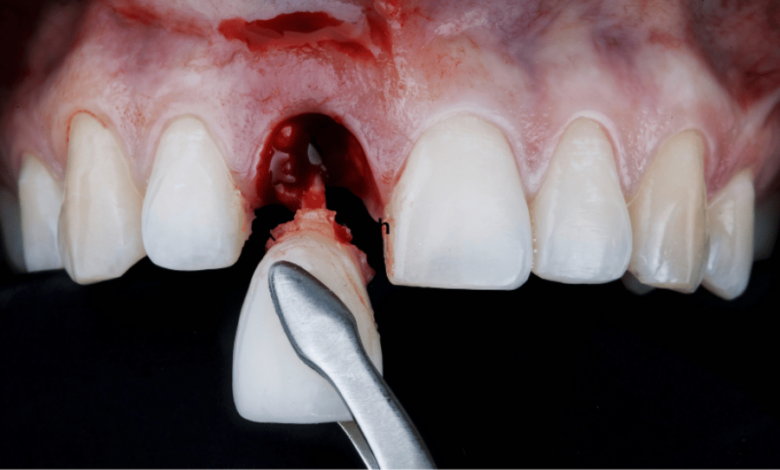
Tooth extractions are one of the most common dental procedures, yet many patients feel unsure about what to expect – especially when it comes to recovery time. Whether you’re having a wisdom tooth removed, dealing with a severely decayed tooth, or preparing for orthodontic treatment, understanding the recovery process helps you heal faster and more comfortably.
The good news? Most people recover quickly and smoothly when they follow proper aftercare. In this guide, we’ll walk through typical recovery timelines, what affects healing, and the steps you can take to ensure the best possible outcome.
Typical Recovery Timeline After a Tooth Extraction
Most patients notice significant healing within the first few days, but complete recovery takes a bit longer. Every extraction is unique, and factors like age, overall health, and the complexity of the procedure all play a role.
Here’s a general breakdown of what you can expect:
First 24 Hours
- Bleeding slows and a blood clot forms.
- Swelling begins around the extraction site.
- Mild discomfort is common and manageable with medication.
2–3 Days
- Swelling peaks and then slowly begins to reduce.
- Pain becomes more manageable.
- You may return to normal activities but should still avoid strenuous exercise.
1 Week
- Gum tissue begins to close over the extraction site.
- Most discomfort disappears.
- Stitches (if placed) may dissolve or be removed.
2 Weeks
- Gum tissue heals significantly.
- Most people feel completely normal.
3–4 Weeks
- Deeper soft tissues continue healing.
- You can resume eating most foods normally.
1–3 Months
- The socket fully closes internally.
- Bone regenerates and strengthens.
Simple extractions heal faster than surgical or impacted extractions, which may require additional time.
See also: Home Appliance Hong Kong: Enhancing Modern Living Spaces
Factors That Affect Tooth Extraction Recovery
Recovery time can vary widely depending on the specific situation. Some of the biggest factors include:
Type of Extraction
- Simple extraction: Quick recovery, often within a week.
- Surgical extraction: Longer healing due to incisions or bone removal.
- Impacted wisdom teeth: Hardest to heal and may need up to 2–3 weeks.
Age
Younger patients tend to heal faster, while older adults may require additional time.
Overall Health
Chronic illnesses like diabetes or autoimmune conditions can slow healing.
Smoking
Smoking greatly increases the risk of dry socket and slows tissue repair.
Aftercare
Following your dentist’s instructions – such as avoiding straws, carefully cleaning the area, and eating soft foods – makes a major difference.
How to Speed Up Healing After a Tooth Extraction
Recovering quickly starts with good aftercare. Your dentist will provide detailed instructions, but here are the essentials:
Protect the Blood Clot
The clot is crucial for healing. Avoid:
- Smoking
- Straws
- Rinsing vigorously
- Spitting forcefully
Any of these can dislodge the clot and cause dry socket.
Manage Pain and Swelling
Use:
- Ice packs during the first 24 hours
- Over-the-counter pain relievers
- Prescribed medications (if provided)
Eat Soft Foods
Stick to foods like:
- Mashed potatoes
- Yogurt
- Soups
- Eggs
- Smoothies (without straws)
Avoid crunchy, sticky, or hot foods for several days.
Keep the Area Clean
After the first day:
- Rinse gently with warm salt water
- Brush carefully around the area
- Avoid touching the extraction site
Rest
Your body heals faster when you avoid heavy lifting or strenuous workouts for at least 48–72 hours.
When to Call Your Dentist
While mild discomfort and swelling are normal, some symptoms require professional attention. Contact your dentist if you experience:
- Severe or increasing pain after day 3
- Foul taste or odor from the socket
- Fever or chills
- Excessive bleeding
- Pus or signs of infection
- Numbness that doesn’t improve
These may indicate complications like infection or dry socket, both of which need prompt care.
Finding the Right Dental Care Provider
Recovery is much easier when your extraction is performed by a skilled, experienced dentist who provides clear instructions and ongoing support. If you’re looking for excellent care and a comfortable treatment experience, Christopher Gall DDS offers professional extractions, personalized guidance, and patient-centered service to help you heal quickly and safely.
A qualified dental provider ensures that your extraction is smooth, your pain is minimal, and your recovery is well-managed from start to finish.
Conclusion
Tooth extraction recovery doesn’t have to be stressful. With proper aftercare and the support of an experienced dental team, most people heal quickly – often within just a few days. Remember that every mouth heals at its own pace, but gentle care, rest, and good hygiene make a significant difference.
By understanding the recovery process and following your dentist’s instructions, you can return to normal life confidently and comfortably. Whether you’re preparing for an extraction or simply curious about the healing stages, knowing what to expect ensures a smooth and successful recovery.
If you’d like a shorter version, social media captions, or more dental-related topics, feel free to ask!